The Crucial Role of Phase Inspections in a Home Purchase
· Matt Gibson, InterNACHI CPI #20100227 · 9 min read
- Phase inspections are the superhero sidekicks of home construction, catching issues at the framing and final stages to protect your investment.
- From structural integrity to high standards, these inspections are the early warning systems preventing future headaches and hefty repair bills.
- Choosing the right home inspector is like picking the right dance partner — skill matters, reviews count, and good communication leads to a smooth construction process.
Phase Inspections are essential checks performed at different stages of the construction of a home to ensure compliance with standards. They catch issues early, safeguard investments, and prioritize structural integrity. This article will break down what phase inspections involve, their benefits, and what to expect during each phase inspection.
Understanding Phase Inspections
Phase inspections are the unsung heroes of the construction world. These meticulous checks are conducted at various stages of the home building process to ensure everything is built to last. They are especially crucial for new builds, as they ensure that each step of the construction process meets the recommended standards and helps identify issues early on.
Phase inspections carried out by home inspectors are crucial for safeguarding your investment, as well as highlighting structural integrity and safety during a construction home inspection.
Pre-Drywall Inspection
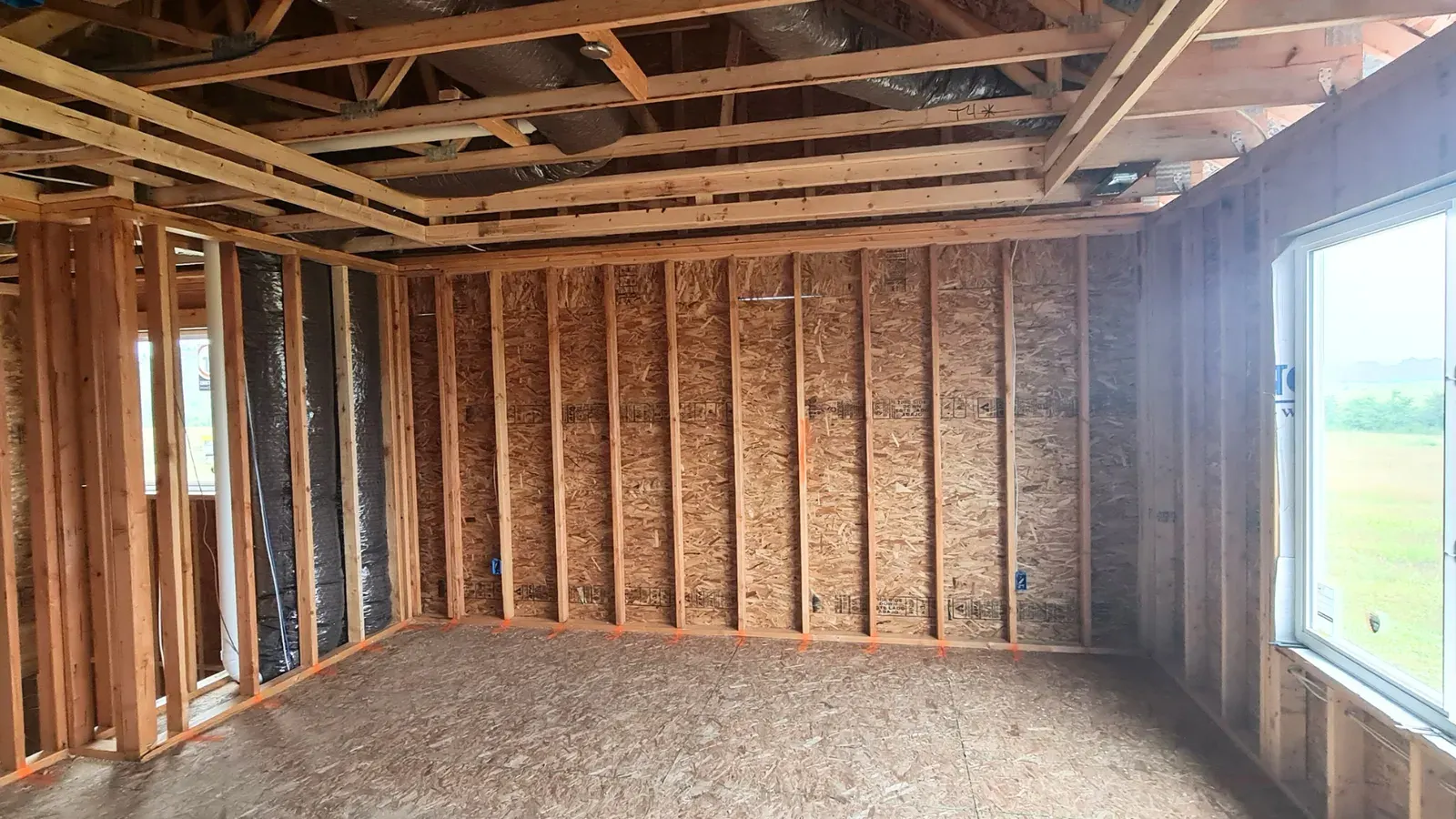
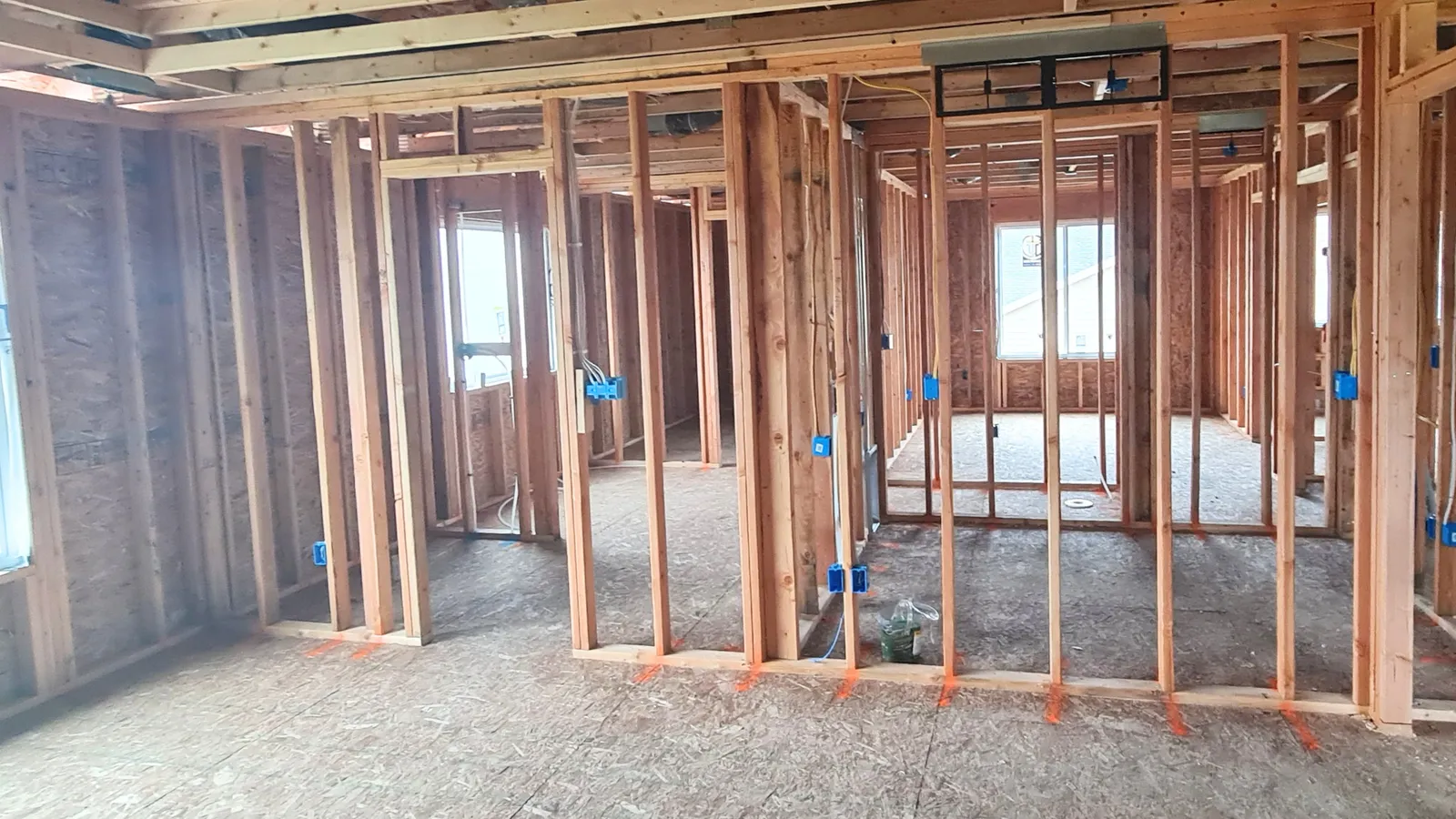
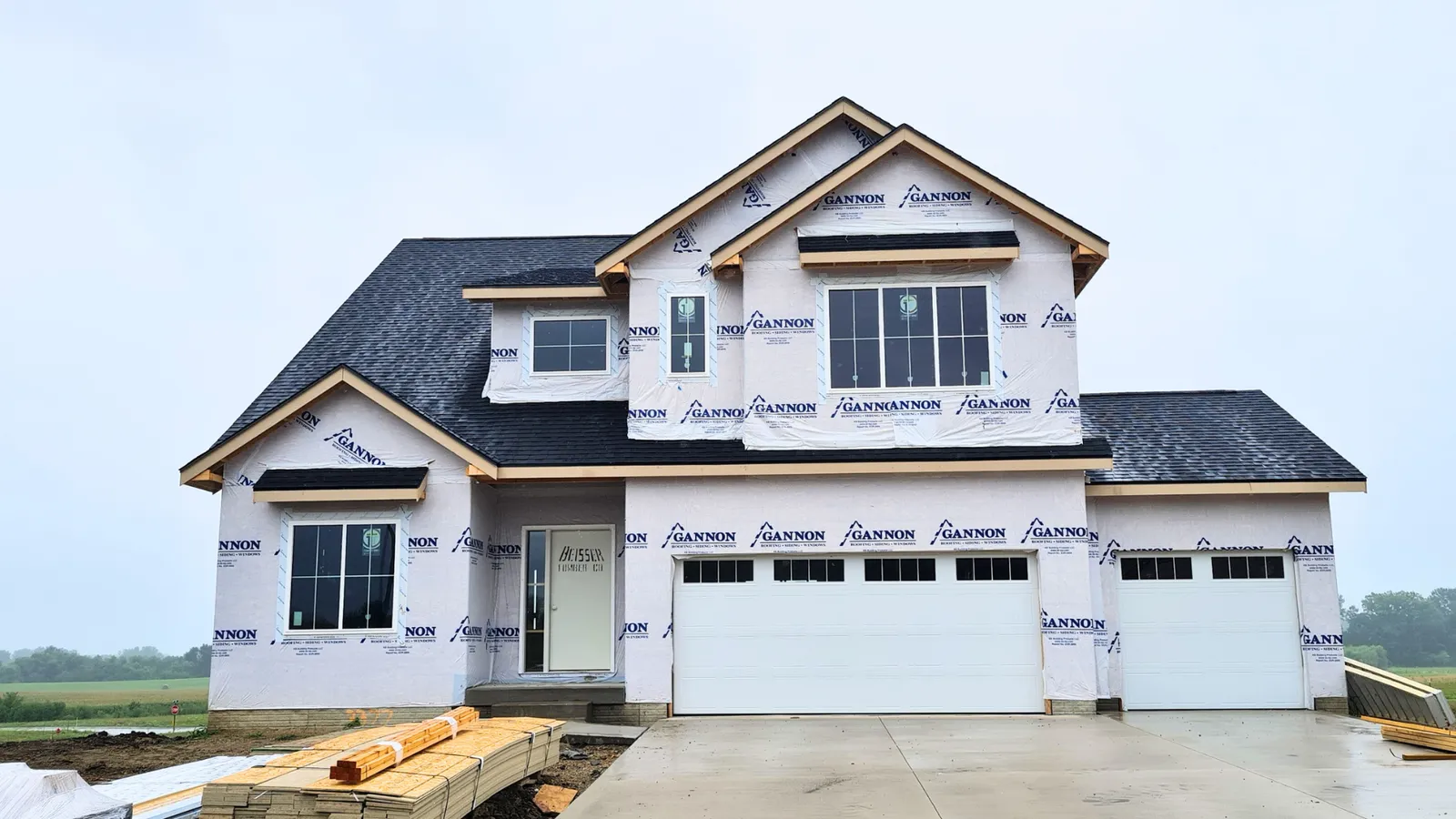
A vital phase for inspection is before drywall installation. A framing inspection at this stage shines light on potential structural mishaps and other issues hidden behind the walls. Improperly installed or damaged materials can lead to significant repairs later on.
A home inspector is able to see components that will be hidden by finished materials, such as electrical, plumbing, and structural components.
Conducting this inspection before the drywall goes up helps avoid costly problems down the road.
Final Inspection
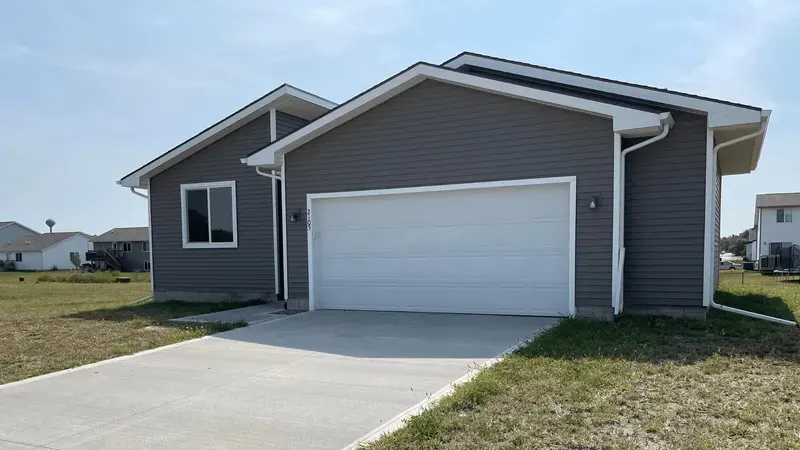
The final inspection serves as the grand finale of the construction phase, performed just before the homebuyer’s builder walkthrough to ensure everything is in place and functioning correctly. It’s the last chance to catch any lingering issues, giving the builder time to address them before the new owners move in.
During this phase, inspectors meticulously go through the entire house, interior and exterior, making note of all aspects of the home are installed correctly and in good working order. This includes items, such as physically walking the roof, checking exterior caulking, testing electrical receptacles, inspecting the HVAC and plumbing systems, and more.
This final inspection is crucial for uncovering last-minute issues and providing peace of mind before taking possession of the house.
11 Month Warranty Inspection
The last stage of a phase inspection is the 11 month warranty inspection. When purchasing a new construction home, most builder's will offer at least a one year warranty of their work, which means that within your first year of living in the home, keep a running list of any defects you detect. If they are covered under your warranty, the builder must repair them at no expense to you as the homeowner.
This is where a qualified home inspector steps in to save the day! A home inspector will conduct a thorough inspection of the entire home from top to bottom, including the exterior, to evaluate for any defects. This will help you compile your list of items to submit to the builder.
The deadline for submitting the list of issues is one year after your closing date, so it's typically submitted during the 11th month of living in your new home, hence why it's called an 11 month warranty inspection.
We've uncovered many issues during 11 month warranty inspections, so don't make the mistake of skipping this step. Read: 11-Month Warranty Inspection: Mistakes to Avoid
Benefits of Phase Inspections
Phase inspections are a critical component of the construction process, offering numerous benefits beyond mere formality. They offer detailed insights into the construction status and hold builders accountable for any issues, preventing complications by identifying problems early during the construction process.
Moreover, phase inspections ensure that construction meets or exceeds minimum standards safeguarding your investment.
Identifying Issues Early
One of the primary benefits of phase inspections is the ability to identify issues early in the construction process. Common deficiencies, such as energy efficiency issues, water intrusion problems, and inadequate ventilation can be caught and addressed during specific phases of construction, preventing future complications. By addressing these issues early, homebuyers can avoid extensive repairs and additional costs later on.
Providing Peace of Mind
Phase inspections provides peace of mind by ensuring the unseen has been exposed. Early identification of defects allows builders to address them promptly, preventing future problems. This proactive approach saves money and reassures homebuyers that their new house is durable and major defects have been addressed.
Who Should Conduct Phase Inspections?
Selecting the right person for phase inspections is critical. Homebuyers should engage a qualified inspector to ensure compliance with relevant standards. An inspector with experience in new construction inspections understands the unique challenges involved.
Effective communication and a clear understanding of the inspection process are also important factors to consider.
Independent Home Inspectors
Hiring an independent home inspector is the best choice. Independent inspectors prioritize the homebuyer’s interests, ensuring a thorough and unbiased inspection. They bring enhanced attention to detail, significantly reducing common construction errors.
A word of caution, however. Opting to use the builder's in-house inspector may come with a biased perspective since they represent the builder's interests, not the homebuyer's. A city inspector's role is to ensure the minimum safety requirements have been met, which is not a complete inspection of the home.
An independent inspector should not be concerned with reducing the builder's costs or work load, rather, they inspect the home with the highest of integrity and ethics bringing an objective, professional assessment to the table.
Licensed and Certified Inspectors
Hiring a licensed and/or certified home inspector is imperative. This professional has the experience and qualifications to identify potential issues in new home construction. Unlike building inspectors who check for code violations, licensed home inspectors conduct more comprehensive inspections, ensuring thorough evaluations of the entire home.
Our inspectors are certified experts in new home construction phase inspections!
When To Schedule Phase Inspections
Timing is crucial for phase inspections. Schedule them at key points during construction to address issues before they escalate. At least two inspections are recommended before closing on the new home.
Scheduling inspections before significant milestones allows inspectors to identify and address issues early, ensuring a smoother construction process.
Pre-Drywall Inspection Timing
The desire for a pre-drywall inspection will need to be communicated early with the builder so that construction can be paused prior to the installation of drywall and other finishing materials.
It is very important that all parties involved, including the homebuyer, builder, realtors, and home inspector, are on the same page with goals and the timeline for a smooth inspection process.
Final Inspection Timing
The final inspection is the last line of defense before taking possession of your new home. Schedule it just before the official "blue tape" walkthrough with the builder. It ensures that everything in the house is ready for move-in, with all systems and components working properly.
Conducting this inspection before the final walkthrough helps identify any last-minute issues, giving you peace of mind that your new home is in tip-top condition.
11 Month Warranty Inspection Timing
Understanding how your warranty works and what's covered is vital to maximizing its benefits. Locate your warranty information and study it! Look for information pertaining to repair request deadlines and make note of them.
Be sure to schedule your 11 month warranty inspection towards the beginning of the final month so you have plenty of time to complete the inspection, review the report, and submit your list of issues to the builder.
Common Issues Found During Phase Inspections
During phase inspections, inspectors often uncover issues that could compromise the integrity of a new construction home, including improperly installed systems like electrical wiring and plumbing fixtures, as well as structural problems. Identifying these issues early protects your investment and prevents costly repairs later on.
Common problems also include heating and air conditioning unit installation issues, electrical wiring faults, and inadequate insulation.
Structural Deficiencies
Structural deficiencies, such as missing fire blocking and damaged or improperly installed framing components are common issues found during phase inspections and can severely compromise a building’s structural integrity.
A foundation inspection can identify water intrusion that may otherwise be hidden, promoting expensive repairs later on. Proper evaluation of the roof structure during the framing inspection can identify problem areas that are concealed by insulation.
Electrical System Problems
Electrical system problems are frequently discovered during phase inspections. Common issues include overloaded circuits, exposed wiring, and inadequate grounding. Improperly installed electrical boxes and unsafe outlet placements are also common concerns.
Early phase inspections can reveal these problems, allowing for timely and cost-effective repairs.
Plumbing Concerns
Plumbing concerns, such as leaks, improperly connected plumbing fixtures, and inadequate support for drain lines are often detected during phase inspections and can lead to significant future problems. Leaky pipes, for instance, can cause water damage and mold growth if not promptly addressed.
A prominent issue that is commonly identified is an improperly installed sewer lateral. The only method to locate this issue is with a sewer lateral line inspection, also known as a sewer scope. It is best to have this service done during the pre-drywall inspection, as the basement may be finished later and the sewer line repair may require extensive remodeling.
Read: What a Sewer Scope Finds
Identifying these issues early helps homeowners avoid costly repairs and ensures the plumbing system functions properly.
Cost Considerations for Phase Inspections
Understanding the costs of phase inspections is crucial for effective budget planning when purchasing a home. These costs can vary based on the size of the home and all services requested. The typical industry range is $450 to $850. The cost may exceed this range if the home is very large with complex components.
Budgeting for phase inspections ensures appropriate allocation of funds throughout the construction process.
Individual phase inspections can be costly if paying on a per inspection basis, so it's important to understand these expenses for effective budget planning.
Comprehensive service packages for all phases is a good way to go so you’re not paying through the nose for individual inspections. These packages offer thorough oversight throughout construction, potentially saving money by catching issues early.
Investing in a full-service package ensures meticulous inspection of every construction phase, providing peace of mind and safeguarding your investment.
Ask us about our phase inspection package. Bundle your phase inspections and save money!
What To Expect After A Phase Inspection
After a phase inspection, homebuyers should expect to receive a comprehensive report detailing any issues found and recommended actions. Inspectors play a crucial role in disclosing needed work and a better understanding of why the repairs are necessary. Inspectors must finish their work before the builder’s warranty expires. This is essential to guarantee that any issues will be addressed by the builder.
Regular phase inspections help verify that safety features are properly installed, reducing the risk of accidents. These inspections create a documented history of evaluations, giving homebuyers confidence in their new home.
Receiving the Written Report
When a problem is found during a home inspection, homebuyers receive a detailed written report, complete with photographs, videos, and a summary of the issues. This report is tailored to the specific needs of the property, providing a personalized inspection experience.
The written report is crucial for understanding the condition of the home and prioritizing necessary repairs to submit to the builder.
Coordinating with the Builder
Following a phase inspection, it’s essential to review the inspector’s findings and prioritize actions for any necessary repairs. Homebuyers should focus on addressing the issues outlined in the inspector’s report to ensure timely corrections.
Effective communication with the builder is key to resolving these issues and ensuring that the construction meets the required standards.
Summary
Phase inspections play a crucial role in ensuring the safety, quality, and integrity of new home construction. They help identify issues early and provide peace of mind to homebuyers. By hiring a qualified inspector and scheduling inspections at critical phases, homebuyers can safeguard their investment and avoid costly repairs.
Prioritizing phase inspections in your construction project is a wise decision that ensures your new home is built to last!

Frequently Asked Questions
Phase inspections are like quality control checkpoints during construction, ensuring that the home is ready for the next step in construction.
Without a phase inspection a homebuyer cannot be confident in the building quality of the home. Get your phase inspections completed right to save you from future headaches!
Phase inspections are best left to qualified, certified inspectors who know their way around new constructions — because let’s face it, you wouldn’t let just anyone give your new crib a once-over!
Phase inspections should be scheduled at crucial milestones—like before hanging drywall and just before your grand finale walkthrough. These checkpoints keep your project on the straight and narrow!
You'd be surprised at how often phase inspections uncover sneaky structural deficiencies, electrical glitches, and pesky plumbing issues lurking in the shadows! It's like finding out your new house has more surprises than a magician's hat.