A Des Moines Homebuyer's Guide to Comprehensive Inspections
· Matt Gibson, InterNACHI CPI #20100227 · 5 min read
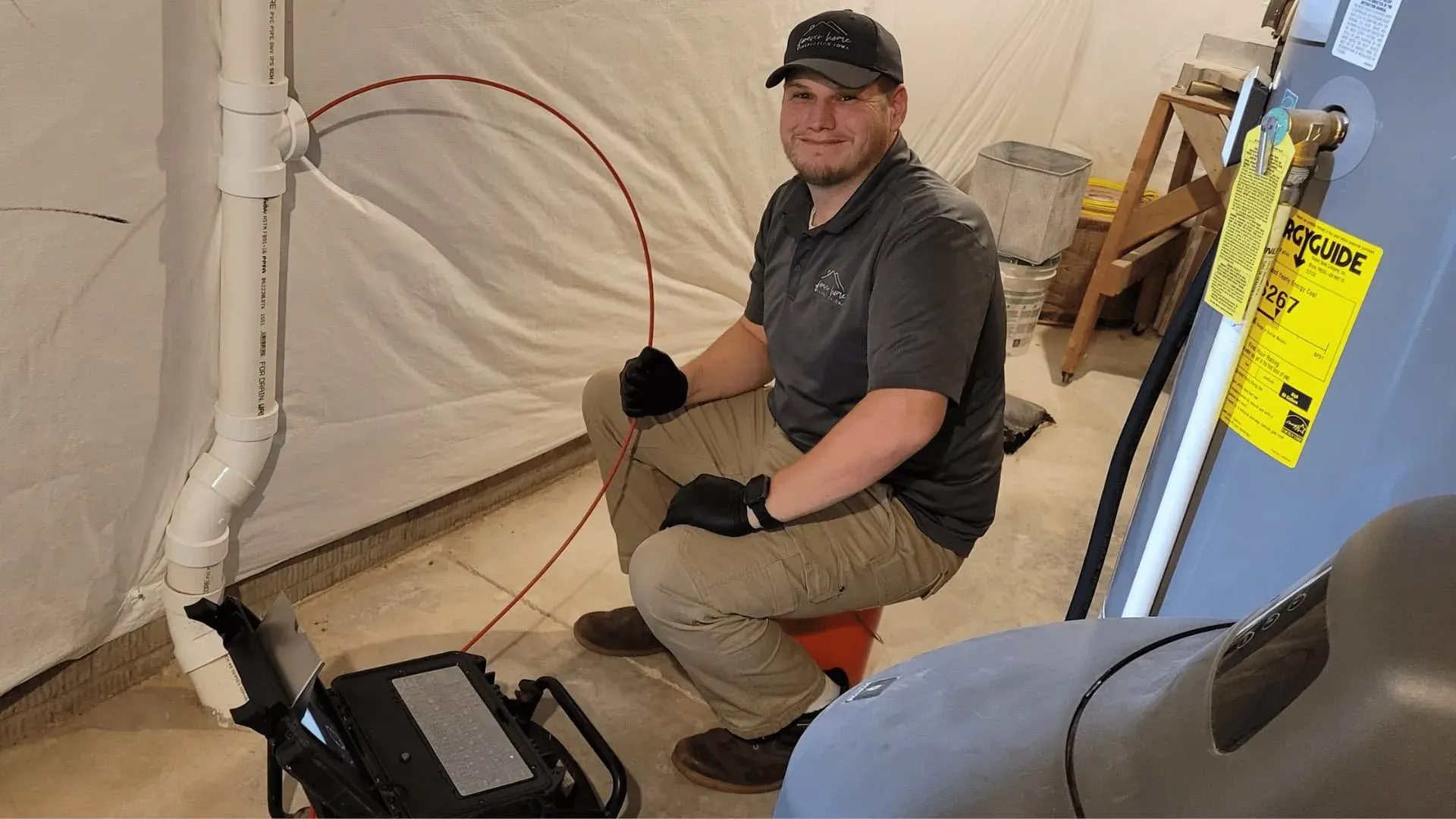
- A local Des Moines home inspector helps buyers, sellers, and homeowners understand a property's true condition before committing to major decisions.
- Reputable home inspection companies in central Iowa provide digital reports by noon the next business day with clear photos and repair recommendations.
- A standard home inspection covers structure, roof, electrical, plumbing, HVAC, and safety components, with optional add-ons like radon testing or sewer scopes.
- Choosing an experienced, certified inspector who knows Des Moines neighborhoods and Midwestern construction styles can save thousands in repairs.
Choosing the right home inspector in Des Moines is one of the most important steps when purchasing a property. Here is what every buyer and homeowner should understand before getting started.
Des Moines Home Inspection Company You Can Rely On
When you hire a home inspection company in Des Moines, you gain peace of mind during what is often the most stressful point of a real estate transaction. Our team of inspectors is committed to serving as a trusted local business, helping buyers, sellers, and homeowners across the broader central Iowa area receive a thorough, honest assessment of any residential property.
Roughly 78% of Des Moines housing was built between 1950 and 1980, and many homes in neighborhoods like Beaverdale, Drake, and Windsor Heights carry the hallmarks of mid-century Midwestern construction. A thorough inspection depends on the inspector's experience with these styles. Relying on a quick walkthrough with your realtor instead of a professional home inspection leaves thousands of dollars in potential problems hidden from view. A home inspection is not just a formality-it is a tool that can protect your investment and give you the guidance you need to move forward with confidence.
What a Home Inspection in Central Iowa Includes
A standard home inspection is a visual, non-invasive evaluation of accessible systems and components, typically lasting two to three hours. A home inspection should include foundation, roof, plumbing, electrical, and HVAC systems- examined in detail so nothing is overlooked.
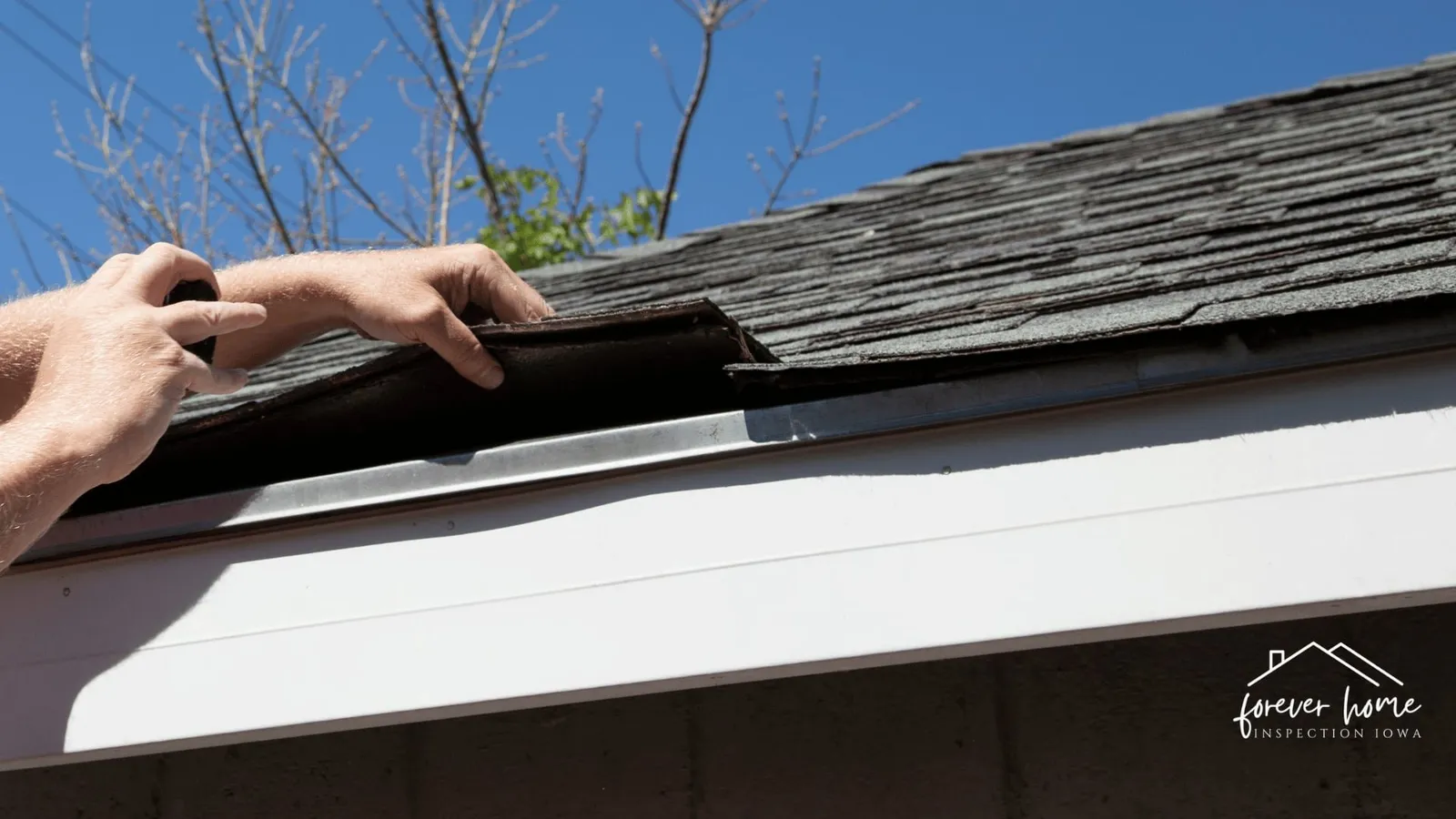
On the exterior, inspectors evaluate foundations common to Iowa (poured concrete and block), grading, drainage, siding, decks, and garages. Roof and attic checks cover asphalt shingles, flashing, gutters, insulation levels, and ventilation issues that contribute to ice dams during Iowa winters.
Interior systems included in every inspection are electrical panels and wiring, GFCI protection in kitchens and bathrooms, plumbing supply and drain lines, water heaters, and visible sewer line concerns. HVAC review covers furnaces, air conditioners, and ductwork- most central Iowa homes use natural gas forced-air systems. Safety items such as smoke and CO detectors, stair and handrail condition, and signs of moisture intrusion are also assessed. Thermal imaging technology helps detect hidden moisture and insulation issues that the naked eye cannot find.
All findings are summarized in a digital report delivered by noon the next business day, with photos, clear descriptions, and practical recommendations.
Special Considerations for Central Iowa Homes
Des Moines and central Iowa have specific climate and soil conditions that demand extra attention during a home inspection. The area sits atop expansive clay soils and glacial till (opens in new tab) that shift with seasonal moisture and freeze- thaw cycles, making basement wall cracking and seepage common problems. Inspectors note these foundation concerns frequently.
Des Moines area homes can have issues related to older foundations, radon risk, and sewer lines. Sewer scope inspections are critical for homes with older sewer lines-especially clay tile pipes in neighborhoods like Sherman Hill or Beaverdale-to avoid costly repairs. The city is also in the process of replacing roughly 97,650 lead water service lines (opens in new tab), an expense of $10,000–$12,000 per property that buyers should learn about before purchasing.
Radon testing is often recommended for Iowa real estate transactions due to high levels. Iowa is an EPA Zone 1 state (opens in new tab), with about 71.6% of homes testing at or above the 4 pCi/L action level. This health risk applies regardless of a home's age. Newer developments around Ankeny and Waukee shift the focus toward builder quality, attic insulation, and grading around new construction.
How to Choose the Right Home Inspector in Des Moines
When choosing a home inspector in Des Moines, think of this as a checklist you can read through before making a decision.
Home inspectors should be qualified experts with certifications from recognized organizations such as InterNACHI (opens in new tab) or ASHI, training, ongoing education, and several years of local experience. Home inspection regulations in Iowa changed with the Home Inspection Accountability Act (SF460), which now sets state standards for qualifications, reporting, and accountability across the home inspection industry.
Ask potential inspectors for a sample report. A quality report should offer clear photos, plain-language explanations, and prioritized repair suggestions. Check google reviews from Des Moines customers-look for consistent comments about depth, communication, and punctuality. An inspector who welcomes your presence on-site and takes time to answer questions and explain findings in person is a strong sign of commitment to the work.
On pricing, low options can be tempting, but the goal should be value and experience. Companies like Forever Home Inspection Iowa have served 2,000+ clients. Inspectors receive extensive training and have been publicly praised on platforms, like Google, for their thoroughness and attention to detail. Home inspectors should be independent and work for the buyer, not the seller or agent. A thorough home inspection can save thousands in repairs, so the number on the invoice matters far less than what you receive in return.
Home Inspection Timeline, Reporting, and Next Steps
Most Des Moines purchase agreements allow a 7–10 day inspection period after an accepted offer. Schedule your inspection promptly so there is time to inspect the property, review the report, and negotiate if needed.
On inspection day, the inspector arrives, walks through the home with you, evaluates each system, and provides a verbal summary of major findings at the end. Inspectors should provide detailed, easy-to-read electronic reports by noon the next business day, delivered via email or an online portal. Buyers, sellers, and agents use the report to negotiate repairs, credits, or price adjustments.
After you receive the report, your next steps should be to:
- Prioritize safety issues like radon mitigation or electrical hazards
- Consult licensed contractors for repair estimates
- Plan future maintenance based on system ages and condition
A home inspection is not a pass/fail test. It is a snapshot of the property's current condition, giving you the information to make an informed decision. If you agree that understanding your investment matters, do not sell yourself short by skipping this process.
Ready to find an inspector you can trust? Reach out to us by email or phone to get started and schedule your home inspection anywhere in the Des Moines metro and surrounding central Iowa communities. We are happy to support you through every step and make certain your mind is at ease!
Frequently Asked Questions
Most standard home inspections take about two to three hours for an average-sized single-family home. Larger or older properties sometimes require more time, and add-on services like sewer scopes extend the appointment.
Clients are strongly encouraged to attend at least the final walkthrough. Being present lets the inspector point out key findings and provide expert guidance you will not get from the report alone.
Yes. Iowa has some of the highest average radon levels in the country, so radon testing is widely recommended for any home with a basement or slab foundation in the Des Moines area.
No. Home inspections do not issue a pass or fail. The inspector explains the observed condition of each system so buyers and sellers can decide how to proceed with their transaction.
A home inspection is not a regulation compliance inspection or an appraisal. It focuses on current condition and safety from a practical standpoint, not market value or full regulation enforcement.