Ankeny Home Inspection Guide: What Local Buyers Should Know
· Matt Gibson, InterNACHI CPI #20100227 · 6 min read
- An Ankeny home inspector performs a visual, non-invasive evaluation of a property's major systems, helping buyers, sellers, and agents make informed decisions before closing.
- Modern inspection tools such as thermal imaging, moisture meters, and digital reports uncover potential issues that are invisible to the naked eye, giving you peace of mind about your investment.
- Home inspections can save buyers from expensive repairs by catching foundation, roof, and plumbing problems early, and inspection reports can enhance negotiating power for buyers.
- Home inspections increase buyer confidence in property decisions, whether you are purchasing a new home or an older central Iowa property.
- Scheduling a home inspection early in the home purchase process in 2026 protects your budget and strengthens your position at the negotiating table.
Whether you are buying your first property in a growing Ankeny subdivision or preparing to list a home you have owned for years, a qualified home inspector in Ankeny stands between you and costly surprises. This guide breaks down what home inspection services cover in the Ankeny area, what inspectors actually look for inside and outside a home, and how to choose the right professional for the job in 2026.
Home Inspection Services in Ankeny & Central Iowa
Ankeny has grown rapidly since about 2015, with a population now exceeding 76,700 (opens in new tab) and roughly 31,000 housing units spread across more than 30 square miles. That growth has fueled steady demand for reliable home inspection services across central Iowa.
A home inspection is a visual examination of the property and its major systems. It is not a pass/fail test but an accurate assessment of a home's current condition, covering everything from the roof to the foundation. Home inspectors typically follow strict standards of practice (opens in new tab) set by organizations like InterNACHI or ASHI, and reputable inspectors carry Errors and Omissions (E&O) insurance along with general liability coverage.
Typical clients include:
- First-time buyers in newer Ankeny subdivisions
- Move-up buyers in established neighborhoods
- Sellers preparing to list - pre-sale inspections help sellers prepare their homes by identifying issues before a buyer's inspector finds them
- Real estate agents serving clients who need a clear picture of a property before closing
Most firms in the area offer inspection services covering Ankeny, Des Moines, Altoona, Bondurant, Urbandale, and surrounding communities. Inspections are generally scheduled within the standard inspection period of a purchase agreement, which is often 5–10 days after offer acceptance.
You can expect three main types of home inspections, each designed for different needs. A full buyer inspection is intended for homebuyers and provides the most comprehensive evaluation, covering all major systems and components of the property. A pre-listing inspection is designed for sellers and includes the same thorough scope, allowing them to identify repairs and price their home more accurately before listing it. A walk-through or quick check is typically geared toward real estate investors and focuses on identifying major red flags. Because it is more limited in scope, this type of inspection is shorter and less detailed than a full inspection.
The process is straightforward: a qualified inspector walks the property, documents findings, and delivers a report that helps everyone involved navigate the transaction with clarity.
What an Ankeny Home Inspector Looks For
The goal of every inspection is to identify safety hazards, major defects, and costly future repairs before you close on an Ankeny home. Here is what that looks like in practice.
Exterior Review
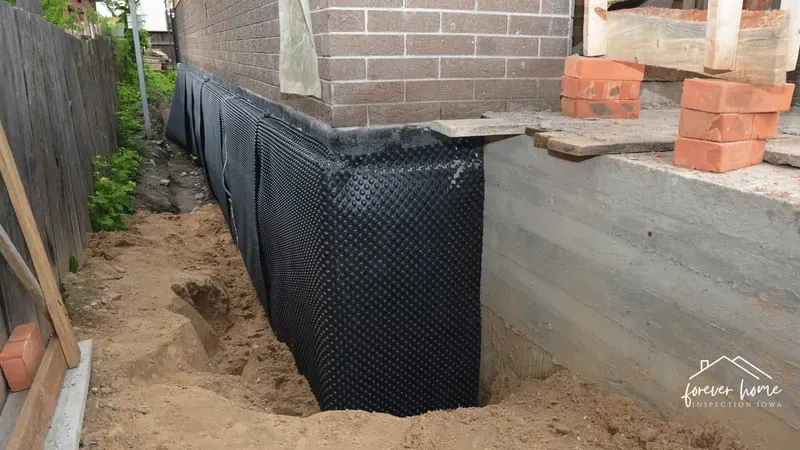
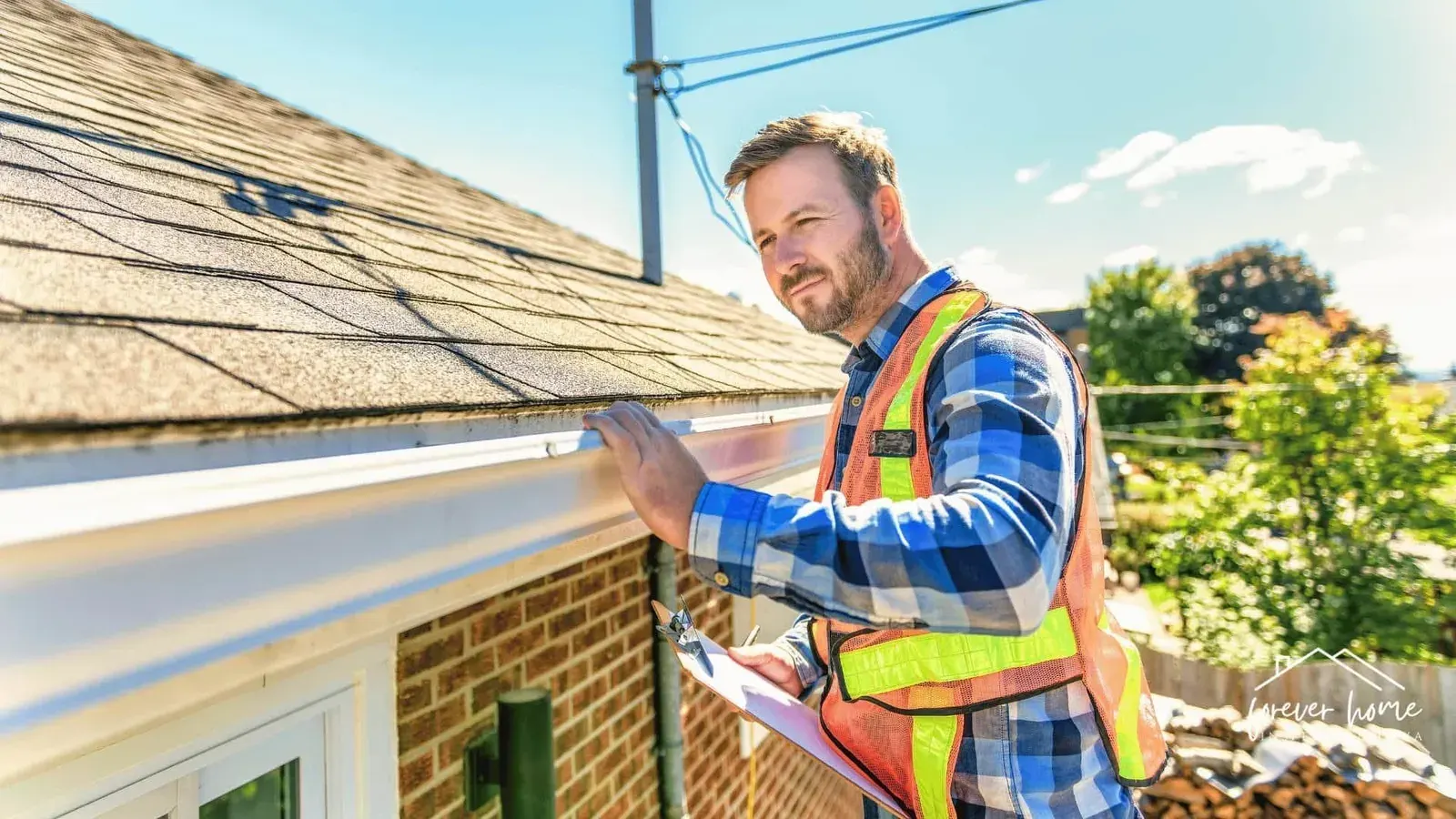
Inspectors start outside. They inspect the roof covering, flashings, and gutters for damage or wear. In central Iowa, freeze-thaw cycles are relentless - frost lines reach 42–48 inches deep (opens in new tab), and over 120 near-surface freeze-thaw cycles per year cause cracking and spalling in driveways, patios, and retaining walls. Grading and drainage around the foundation receive close attention because improper slope is a leading cause of basement water intrusion, especially during March through May when snowmelt and rain hit still-frozen soil.
Structural Components
Moving inside, inspectors check basements and crawl spaces for signs of foundation movement. Comprehensive evaluations include checking roofs, foundations, and plumbing - and in this region, the glacial till and loess soils beneath Ankeny contribute to differential settling, bowing walls, and stair-step cracks. Home inspections can identify significant issues with structural components that might otherwise go unnoticed until repairs cost thousands of dollars. Foundation repair in central Iowa can run $3,000 to $15,000 or more depending on severity.
Mechanical Systems
Inspectors check major systems like plumbing, electrical, and HVAC. For homes built between 1990 and 2020 (a large share of Ankeny's housing stock), that means evaluating the furnace, air conditioning, water heater, electrical panel, outlets, and supply and drain plumbing. Overheating electrical components, outdated wiring, or corroded plumbing connections are common findings.
Interior & Attic
Inspectors check attics, crawl spaces, and roofs for insulation gaps, ventilation problems, and signs of past leaks. Interior checks cover windows, doors, stairs, railings, and installed appliances. Any visible moisture damage or staining is documented.
Advanced Tools & Add-On Services
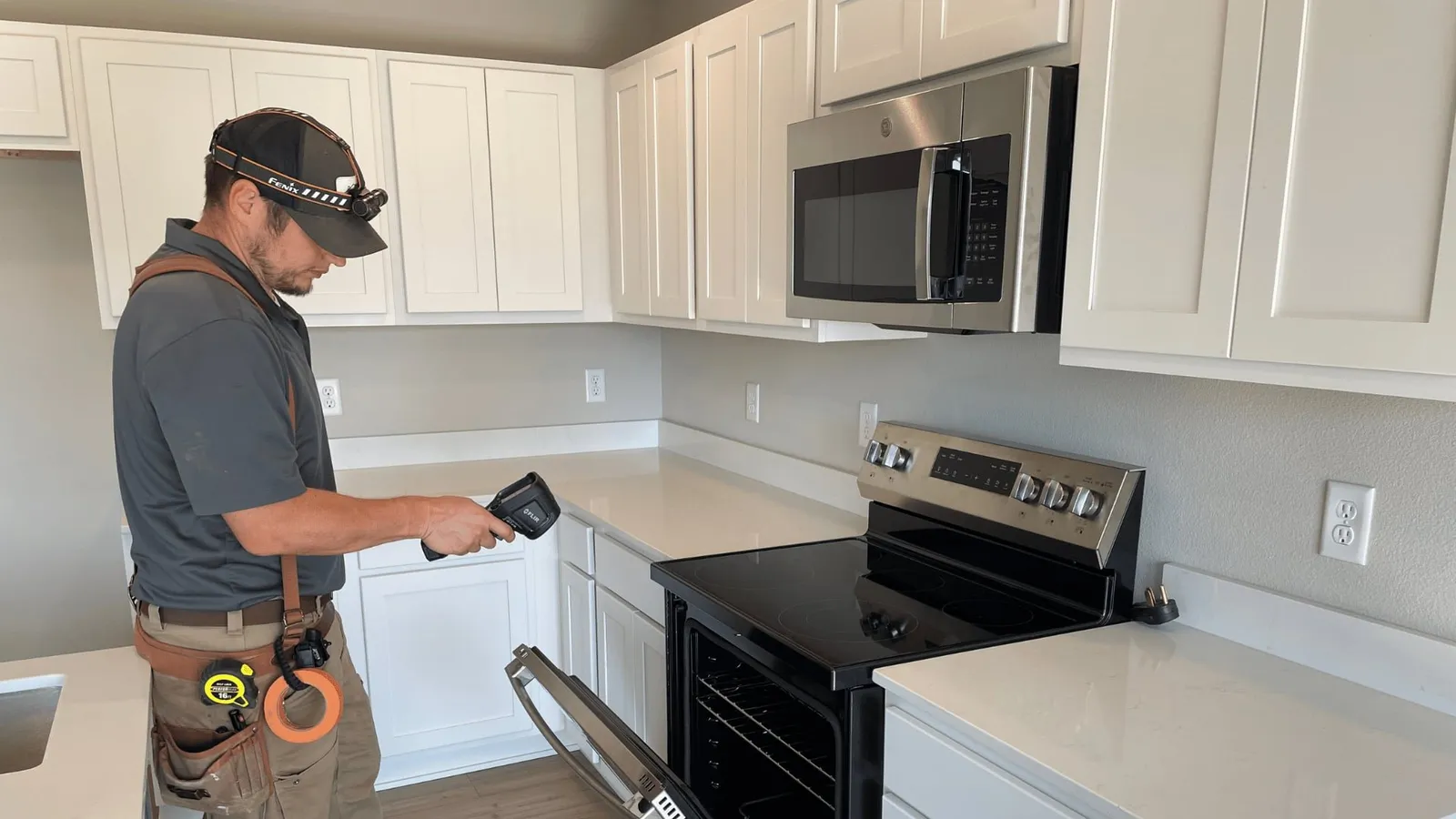
Home inspections include thermal imaging technology to reveal what the eye cannot see - hidden moisture behind finished basement walls, missing insulation in vaulted ceilings, and overheating electrical components. Thermal imaging identifies hidden issues during inspections that a standard visual review would miss.
Additional services like fungus or air quality testing may be offered, and radon testing is especially relevant in Iowa due to health concerns. Radon levels in central Iowa frequently exceed EPA action thresholds, making this add-on a practical choice for any family buying a home with a basement.
The Inspection Report
A detailed inspection report is provided after the assessment. Reports typically include:
- Photographs of every defect or area of concern
- Plain-language descriptions with severity ratings (safety, major defect, maintenance)
- Repair recommendations and relevant safety notes
Inspection reports are delivered electronically by noon the next business day, giving buyers the information they need to negotiate or plan repairs before closing. You receive a clear, organized document - not a vague summary.
Choosing the Right Home Inspector in Ankeny
Not all inspectors bring the same level of care, knowledge, or local expertise to the table. Choosing an inspector involves evaluating their credentials and local experience, and taking the time to vet your options pays off.
Certifications & Training
Under Iowa's Home Inspection Accountability Act (opens in new tab) (effective July 2025), all inspectors must hold InterNACHI certification or equivalent, pass an exam, and maintain continuing education. Certified Professional Inspectors represent the highest standard in the industry, and home inspectors should have ongoing training and education to stay current with building practices and regulation changes. Our inspectors have served 2,000+ clients, which means they have seen virtually every defect that Ankeny's housing stock can produce.
Local Experience
Inspectors familiar with the local area may be aware of common regional issues - like the foundation movement caused by Iowa's freeze-thaw cycles or drainage problems in specific Ankeny neighborhoods. Ask how long the inspector has worked in the Ankeny and Des Moines markets.
Communication & Integrity
A good inspector will walk you through major findings on-site and encourage questions during and after the inspection. They should explain what they found, why it matters, and what you should do next. Inspectors should not downplay problems to facilitate a sale. Look for a commitment to integrity - people who strive to give you an honest, unbiased evaluation of your property's condition regardless of what it means for the deal.
Reviewing sample inspection reports is crucial to guarantee detail and clarity. Ask any inspector you are considering for a sample before you book.
Reviews & Reputation
Ankeny has been voted one of Iowa's best places to live, and the community's engaged residents leave detailed feedback. Check online reviews from local buyers, sellers, and realtors, paying attention to comments about punctuality, thoroughness, and willingness to explain findings. A certified inspector provides an unbiased evaluation of property condition, and clients who have worked with committed professionals tend to say so clearly in their reviews.
Cost vs. Value
The cheapest inspection is not always the best decision. A low-cost inspection that misses a major foundation crack or hidden water damage could cost you far more down the road. A thorough inspector with the right tools and experience is an investment that helps you feel confident about your home purchase, not a line item to minimize.
Frequently Asked Questions
A thorough inspection usually takes two to four hours. Most single-family homes between 1,500 and 2,500 square feet in Ankeny fall closer to the 2–3 hour range. Larger, older, or more complex homes with multiple mechanical systems take longer. If you add services like thermal imaging or sewer scopes, plan for extra time. Your inspector can give you an easy estimate once they know the home's size and age.
Yes. A new home still benefits from an independent inspection to catch incomplete work, safety issues, or construction mistakes before the builder warranty expires. Many buyers schedule both a pre-closing inspection and an 11-month warranty inspection during the first year of ownership. Builder quality control and a third-party inspector focus on different things - an independent review fills gaps the builder's own team may overlook.
Buyers are encouraged to attend. It is advisable to attend the last part of the inspection to discuss findings with your inspector in person. This is your chance to learn about the home's systems, ask questions, and hear maintenance tips directly from the person who just spent hours evaluating the property. Coordinate with your inspector when scheduling so they know to expect you.
Nearly every home in central Iowa, including newer Ankeny properties, has some defects. The report helps you prioritize safety hazards and big-ticket items. Buyers, sellers, and agents typically use the report to negotiate repairs, request credits, or in some cases reconsider the purchase. The answer is rarely to walk away - it is to use the information to make a smarter decision and protect your family's investment.
Book as soon as your offer is accepted. During the busy spring and summer real estate seasons, scheduling with Ankeny inspectors can be tight - their calendars fill quickly. Aim for at least 48–72 hours' notice to secure preferred dates and times within your contract's inspection deadline. Waiting too long risks pushing past your inspection period, which limits your negotiating power and could complicate the entire process.
A home inspection is one of the most practical steps you can take during any real estate transaction in Ankeny. It protects your budget, gives you leverage, and helps you move forward with confidence. Whether you are buying, selling, or helping a client navigate the 2026 market, the right inspector makes all the difference.
Start by verifying certifications, asking for a sample report, and booking early. The cost of a quality inspection is small compared to the problems it can prevent.