The Ultimate Guide to 11-Month Warranty Inspections
· Matt Gibson, InterNACHI CPI #20100227 · 8 min read
- An 11-month warranty inspection is essential to catch defects before the builder’s warranty expires, safeguarding your investment and home integrity.
- Schedule your inspection before the builder's warranty expires to ensure any issues found are addressed and repaired under the warranty coverage.
- Key components evaluated include structural elements, major systems (plumbing, electrical), and the condition of both the interior and exterior of the home.
- Investing in an inspection can save you from significant repair costs later, ensuring safety and functionality while maintaining the value of your home.
An 11-month warranty inspection helps you find and fix any problems in your home before your builder’s warranty ends—the builder's warranty provided for a newly constructed home. This important step is especially crucial for a newly constructed home, as it can save you money on future repairs and maintain the quality of your home. This guide will explain why an 11-month warranty inspection is necessary and what you can expect during the process.
Understanding 11 Month Warranty Inspections
An 11-month warranty inspection is a crucial step to inspect for defects in your home before the builder’s warranty expires. It’s an opportunity to catch minor issues, like wall cracks or uneven floors, as well as uncover hidden issues that may not be immediately visible, which could worsen over time if left unaddressed. Walls, floors, and ceilings should be inspected for cracks in drywall, nail pops, peeling paint, and uneven flooring.
Homeowners can hold builders accountable for any defects detected during the inspection, ensuring these issues are resolved at no extra cost. You can use the inspection report to file a claim for repairs on covered items before the warranty expires. The homeowner inspection typically covers multiple areas, including:
- The home’s exterior
- Plumbing
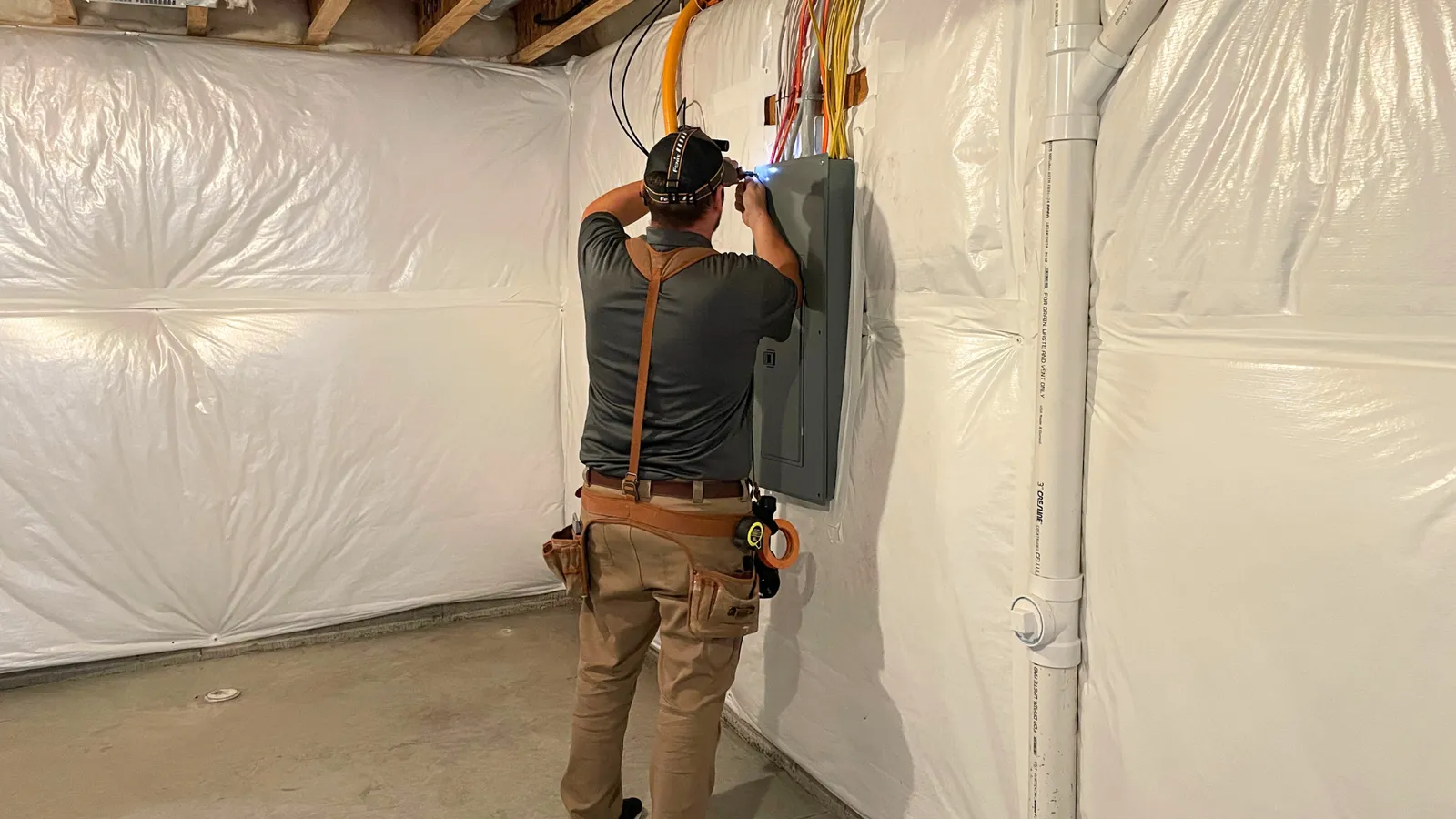
- Electrical systems
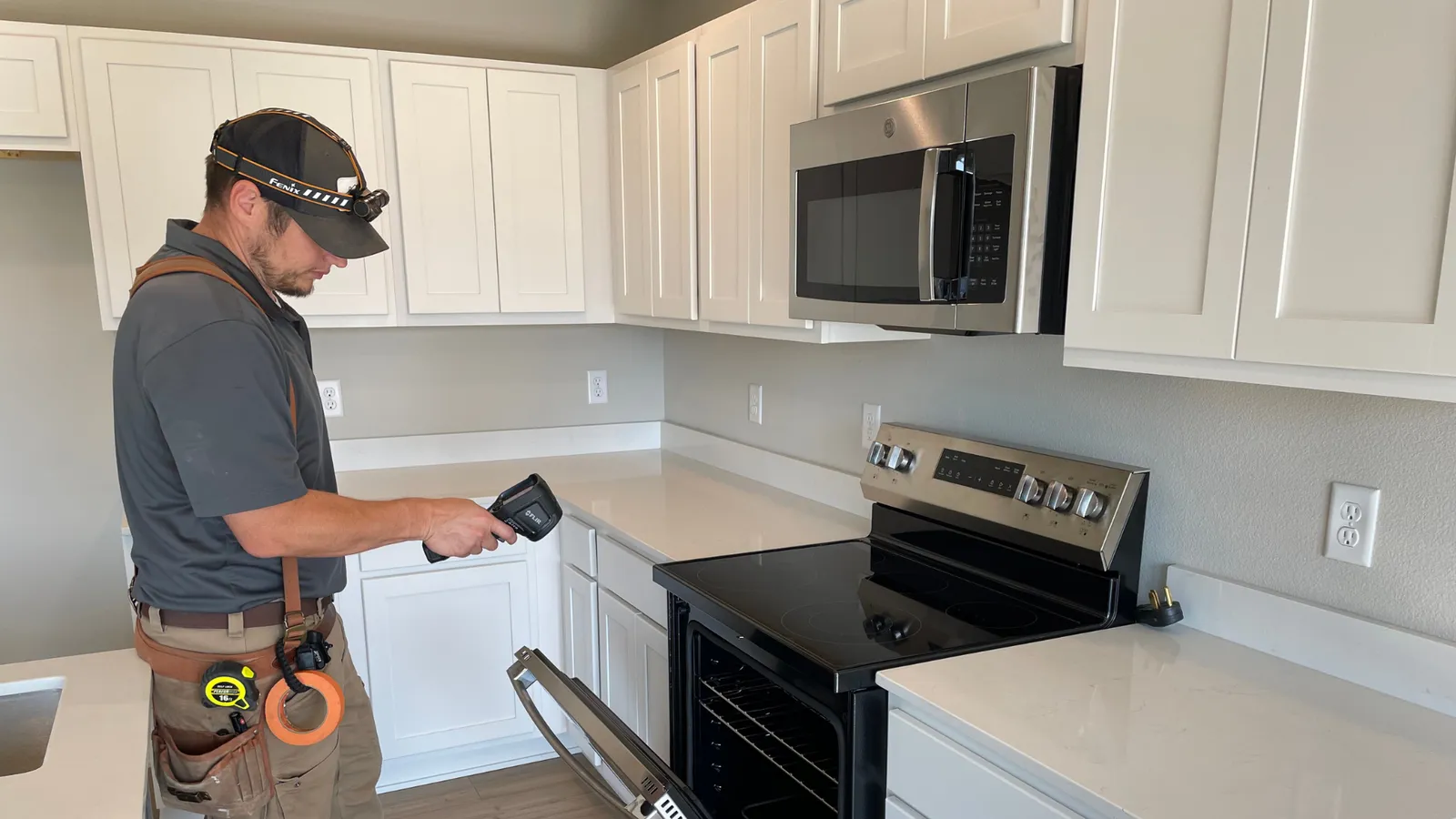
- Major appliances
The inspection also helps identify issues that are covered under the builder's warranty, so you can address them while still protected.
Neglecting this inspection can lead to multiple defects surfacing later, causing significant inconvenience and financial strain. Therefore, conducting an 11-month warranty inspection is not just a formality but a vital step in ensuring your home’s longevity and safety.
Key Components of an 11 Month Warranty Inspection
An 11-month warranty inspection covers various crucial aspects of your home to ensure everything is in top-notch condition before the warranty period ends. From structural elements to major systems, exterior components, and interior features like walls (which are inspected for cracks, damage, or other issues), each part plays a vital role in maintaining the safety and functionality of your home. It's important to note that normal wear and tear is typically not covered under the warranty.
Let’s delve into these components to understand what the inspection entails.
Structural Elements
Structural elements are the backbone of your home. During the inspection, certified home inspectors will look for issues such as:
- Settlement cracks
- Uneven flooring
- Bowing or misalignment in structural components These issues can indicate underlying problems and inspectors evaluate them to ensure the foundational integrity of your home.
It is the builder's responsibility to address any structural defects identified during the inspection.
Identifying serious flaws like cracks and nail pops during the 11-month warranty inspection is crucial to fix these visible issues. If left unaddressed, they can worsen over time, leading to significant safety concerns and costly repairs.
The construction’s foundational and structural integrity is key to maintaining the overall durability and safety of your house new home.
Major Systems
Major systems like plumbing, electrical, and HVAC are essential for the functionality and comfort of your home. Inspectors will check for common issues such as faulty outlets, which can pose safety hazards and increase the risk of electrical fires. Electrical problems are not limited to outlets but can also include issues related to the home’s overall wiring system.
Ventilation issues in the attic are another critical area of inspection. Moisture buildup due to poor ventilation can lead to mold growth and structural damage. The proper functionality of major systems and ceilings is vital for the safety and efficiency of your home.
Exterior and Interior
The exterior and interior components of your home, such as windows and doors, are inspected to ensure they are in good condition and functioning correctly. Inspectors look for:
- gaps
- alignment issues
- signs of wear
- drafts
- leaks
- condensation
These issues could indicate compromised insulation and security risks.
It is important to note that normal wear is expected over time and is typically not covered under the builder's warranty.
Key aspects of functionality, such as weatherstripping, hardware function, and proper flashing around frames, are also checked. Maintenance issues like rotting wood in window and door frames must be addressed to maintain the security and energy efficiency of your home.
Common Issues Identified During Inspections
An 11-month warranty inspection covers essential systems and components of a home, identifying potential issues that could arise before the warranty period ends. Common issues found during these inspections can range from structural problems to hidden defects in major systems. Structural damages and minor water leaks are among the most frequently discovered issues.
Let’s find contact and explore some of these common issues in finding detail to perform.
The process of identifying and addressing all issues found during the inspection can be time-consuming, but it is essential for protecting your investment.
Plumbing Fixtures
Plumbing fixtures are a critical area of inspection. Common issues identified include leaky pipes, clogged drains, and improper venting. Proper venting and addressing any sewer gas odors are crucial for maintaining a healthy living environment. Overlooking these issues can lead to significant repairs down the line.
During the inspection, it’s essential to check for plumbing leaks and electrical faults that could lead to substantial repairs if not addressed promptly. Addressing these issues early on can prevent them from escalating and causing more extensive damage to your home.
Electrical Outlets
Identifying electrical outlet problems during the 11-month warranty inspection is crucial for maintaining safety and functionality in your home. Common electrical problems found include faulty outlets and exposed wiring, which can pose significant safety hazards.
Electrical systems must function correctly and safely as a vital part of the inspection process. Addressing these issues early can prevent potential electrical fires and ensure the overall safety of your home.
Roof and Attic
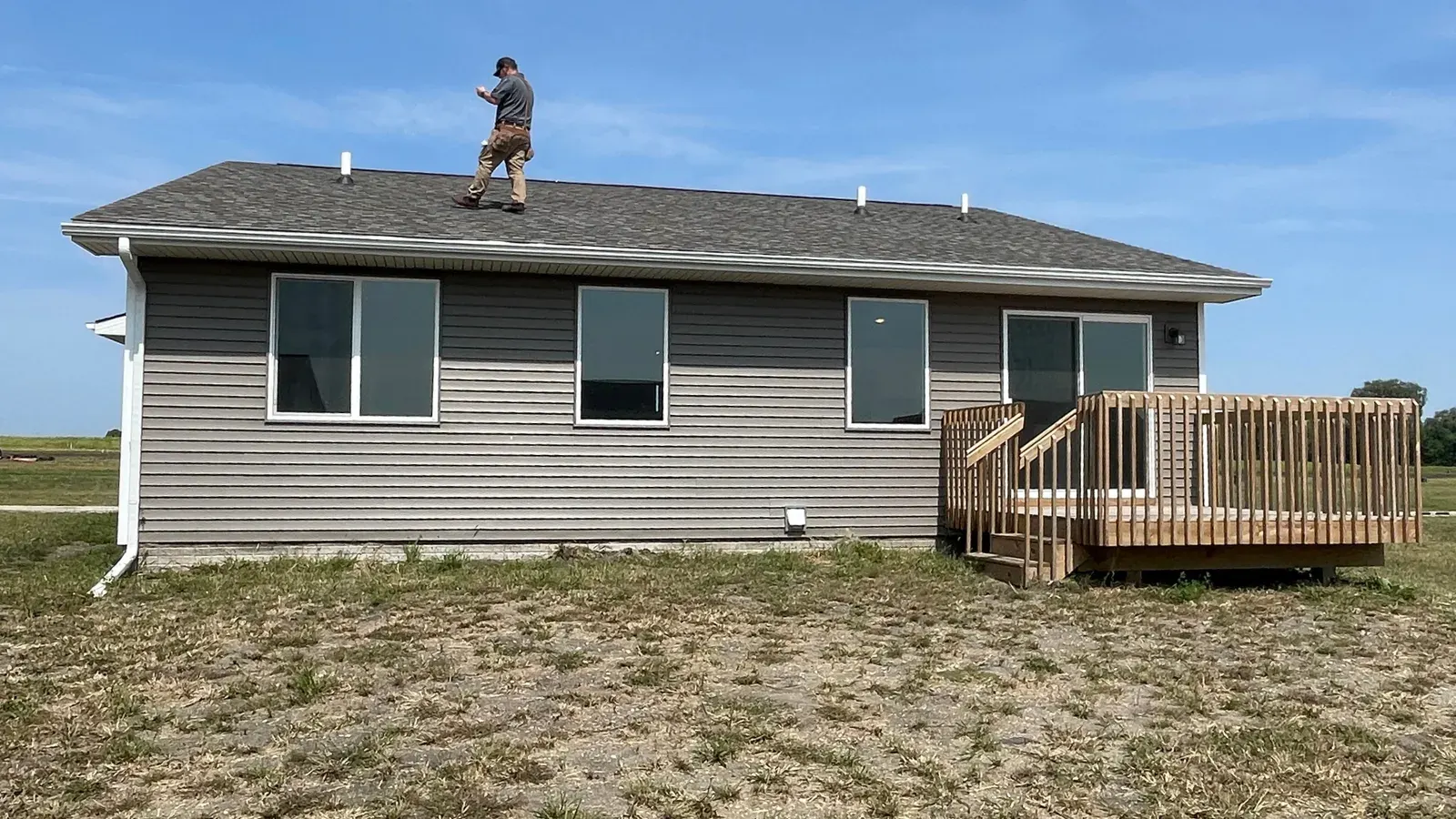
Common roofing issues identified during inspections include:
- Curling shingles
- Missing shingles
- Improperly installed shingles
- Damaged flashing
- Ventilation issues
Inadequate sealing of roof shingles can lead to extensive damage and require significant repairs, including a potential leak.
Inspecting attic insulation is also crucial for maintaining energy efficiency and preventing roof issues. Addressing these problems during the 11-month warranty period can save homeowners from costly repairs and ensure the longevity of their roof.
The Importance of Timely Inspections
After the purchase of a new home, an 11 month warranty inspection is essential to ensure any issues are addressed by the builder before the warranty expires.
Conducting a home warranty inspection before the warranty period ends offers several benefits: Regular monitoring and following up with the builder is necessary to ensure repairs are handled satisfactorily before the warranty expires.
- Enables homeowners to have defects repaired at no extra cost.
- Allows early problem detection during the 11-month inspection to avoid unexpected repair costs later on.
- Holds the builder accountable for necessary repairs, ensuring the integrity of your home.
An inspection around the 11-month mark allows homeowners to identify and address problems under warranty before the builder’s warranty expires. Identifying defects before the warranty expires helps homeowners avoid out-of-pocket expenses, and ensures the builder is responsible for repairs.
Timely inspections also help in identifying maintenance issues early, preventing them from escalating and ultimately preserving the lifespan of household systems. This thorough assessment provides peace of mind, knowing that you can enjoy peace, and that your home is safe and well-maintained through a professional inspection.
Cost of an 11 Month Warranty Inspection
The typical industry range for an 11-month home warranty inspection is $500 to $1,000, depending on the size of the property and its geographical location.
Some home warranties might impose a deductible for service calls, which could add to the overall cost of repairs discovered during the inspection. However, the peace of mind and potential savings from identifying issues early make the inspection well worth the investment.
Selecting a Certified Home Inspector
Selecting a certified home inspector is crucial for ensuring a thorough assessment and accurate findings during the inspection. Here are some tips to help you choose the right inspector: Hiring an independent professional inspector who specializes in new construction is recommended for a trustworthy evaluation.
- Avoid relying solely on referrals from real estate agents, as it may lead to conflicts of interest.
- Seek recommendations from friends.
- Look for suggestions in local online communities to identify trustworthy inspectors.
- Read reviews and review the company's website to learn more.
Verifying the credentials of inspectors can include:
- Checking certifications from recognized organizations to provide assurance of their expertise.
- Considering experience, as inspectors with several years in the field are more likely to have encountered a diverse range of issues.
- Requesting sample inspection reports from potential inspectors to help assess their thoroughness and communication style.
Knowing what is included in the inspection fee is important, as additional services may incur extra costs. Preparing for the inspection involves hiring a qualified home inspector who can identify potential issues in your home. Attending the inspection can provide valuable insights and help you ask questions, adding context to the written report.
Benefits of an 11 Month Warranty Inspection
The primary purpose of an 11-month warranty inspection is to ensure safety features and systems are functioning properly. Maintaining quality standards helps address any hidden defects that may arise after the first year. This proactive approach can save homeowners thousands in potential repairs over time.
Addressing issues during the 11-month inspection ensures properties appreciate in the real estate market and serves as a source of pride and sound financial asset. Having a home inspection reveal only minor problems can lead to a false sense of confidence, resulting in unnecessary claims.

Scheduling Your Inspection
Homeowners can schedule their warranty inspection anytime before the one-year warranty period ends, not just during the 11th month. It’s advisable to schedule your 11-month warranty inspection well in advance, ideally allowing three to four weeks before your warranty expires. It is important to submit warranty claims well before the one-year mark to allow time for scheduling repairs.
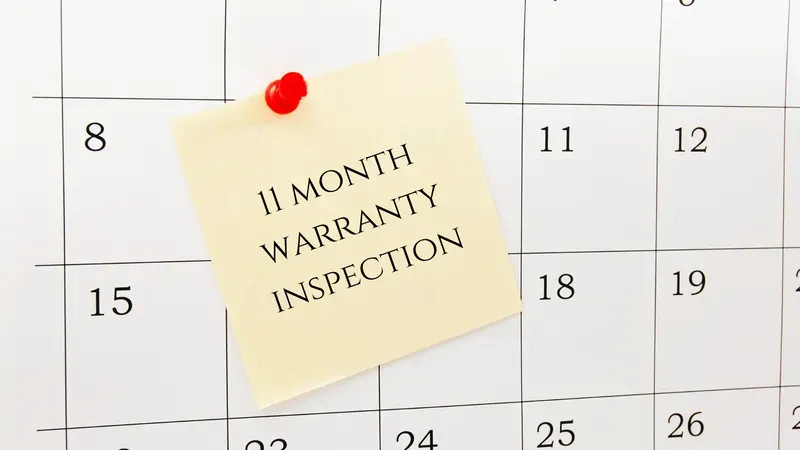
A reminder set for 11 months after closing can help ensure your inspection is scheduled before the warranty expires. This proactive step ensures that any needed repairs are completed on time, safeguarding your close investment.
What to Expect in the Inspection Report
An inspection report is a comprehensive document that covers all findings from the inspection. It provides detailed findings and visual evidence, which can aid in making warranty claims more effective. The visual evidence included in the report supports the claims made regarding defects.
Many inspection reports list a number of defects, but it’s important to focus on the severity of these issues rather than the quantity. The report helps homeowners prioritize repairs and ensure their home remains in excellent condition.
Summary
Summing up, an 11-month warranty inspection is a proactive step that every homeowner should consider. It helps identify hidden defects, ensures the safety and functionality of your home, and holds builders accountable for necessary repairs. Conducting this inspection before the warranty expires can save you from potential costly repairs and provide peace of mind.
Investing in a professional inspection and selecting a certified home inspector are crucial steps in safeguarding your investment. By addressing issues early and maintaining the integrity of your home, you ensure a safe and comfortable living environment for years to come. So, take action, schedule your inspection, and enjoy peace of mind knowing your home is well-protected.
Frequently Asked Questions
An 11-month warranty inspection is your golden opportunity to spot and fix any defects in your home before your builder's warranty runs out, all at no additional cost! Don't miss out on protecting your investment!
Across the industry, an 11-month warranty inspection typically costs between $500 and $1,000, depending on the property's size and location. Get ready to ensure your investment is protected!
It's crucial to conduct an inspection before your warranty expires because it can save you from unexpected repair costs by getting any defects fixed for free! Don’t miss out on this opportunity to protect your investment!
To select a certified home inspector, get recommendations from friends or local groups, check their credentials, ask for sample reports, and ensure they have ample experience. You'll feel confident knowing you're making a smart choice!
You can expect the inspection report to be a thorough document that outlines all findings with visual evidence, making it super helpful for any warranty claims you need to make! It's crucial for understanding the condition of your property!